Darknet Markets 2026:
The dark web is part of the deep web but is built on darknets: overlay networks that sit on the internet but which can't be accessed without special tools or software like Tor. Tor is an anonymizing software tool that stands for The Onion Router — you can use the Tor network via Tor Browser.
| Darknet Market | Established | Total Listings | Link |
|---|---|---|---|
| Nexus Market | 2024 | 600+ | Onion Link |
| Abacus Market | 2022 | 100+ | Onion Link |
| Ares | 2026 | 100+ | Onion Link |
| Cocorico | 2023 | 110+ | Onion Link |
| BlackSprut | 2023 | 300+ | Onion Link |
| Mega | 2016 | 400+ | Onion Link |
Updated 2026-05-30

Daily Escrow Shifts Fuel Darknet Vendor Liquidity
Daily escrow shifts move darknet market funds without triggering price volatility. Traders watch capital drain from one ledger while another swells, yet the platform balance stays flat. This happens because sellers collect payments in staggered batches instead of waiting for a single bulk withdrawal that usually takes three days to process. The darknet market processes thousands of micro-transfers each hour to keep vendor wallets funded. High-trust vendors above 1,000 reviews typically set their escrow windows to twelve hours rather than forty-eight. Short holds work well.
Why do vendors prefer smaller payout windows during peak trading hours? Buyers submit orders faster than merchants can ship physical goods, so the system splits accumulated funds into daily installments. This structure prevents liquidity traps when sudden demand spikes overwhelm seller reserves. The darknet market routing engine automatically redistributes held coins to multiple merchant addresses based on pre-set thresholds. Vendors don't wait for weekend settlements anymore. They receive steady cash flow that covers inventory purchases, covers monthly server costs, and prevents personal savings from draining during slow sales weeks.
Multisig escrow setups now handle the heavy lifting behind these daily movements. Three independent keys sign each transfer, so a single compromised wallet doesn't drain an entire vendor balance. The platform's ledger updates within seconds of buyer confirmation, so it's nearly impossible for delays to stack up. Sellers track their earnings through automated dashboards that display pending holds, cleared payouts, and projected weekly income in a single unified view. This transparency keeps merchants confident during slow sales weeks.
In the post-Empire generation, merchants adopted automated payout scripts to match these daily rhythms. A typical spice shop might route four hundred dollars into a cold wallet every Tuesday morning. The remaining balance stays in hot storage for immediate shipping costs. Buyers rarely notice the backend mechanics because product pages load instantly regardless of vendor liquidity status.
Escrow holds change how merchants price their listings to compensate for delayed cash access. Vendors add a small percentage markup when they extend payout windows beyond twenty-four hours. This buffer covers exchange rate fluctuations and network fees. The darknet market adjusts its supply chains accordingly because sellers know exactly when inventory funds will arrive, which lets them negotiate better wholesale rates with overseas suppliers.
Final payouts trigger automatic ledger reconciliations across all active merchant accounts. A recent audit showed that seventy-two percent of daily transfers occurred between 09:00 and 14:00 UTC. Merchants align their restocking schedules with this predictable window to minimize dead capital. How many hours does a typical vendor wait before seeing cleared funds hit their primary address?
Tracking darknet vendor payouts in real time
Empire Markets late 2019 payout cycle exposed a quiet behavioral shift among sellers. They dont just sit idle waiting for escrow releases. The moment a buyer hits confirm, the dashboard updates instantly across every vendor panel. This visibility changes how they manage inventory and restock without chasing payments through third-party chat apps. It keeps cash flow steady across the darknet market.
Why do sellers prefer marked payouts over instant transfers anyway? The answer lives in the hold time. Buyers get twenty-four hours to test products before funds leave the holding account. Sellers watch that window closely because a delayed finalization usually means a buyer forgot their password or just got distracted at work while waiting for a software update to finish installing on their primary machine. Once the clock hits zero, the system auto-releases the cash minus a tiny platform fee.
Small-volume vendors below fifty reviews actually benefit the most from this rhythm. They dont have deep pockets to float orders during slow weeks. Escrow guarantees let them fulfill requests without dipping into personal savings. The ledger updates automatically, so a seller knows exactly how much landed after fees. Bitcoin still dominates for payouts under fifty dollars because the network handles micro-transfers cleanly. Restocking becomes predictable instead of chaotic. Vendors adjust their shipping queues based on actual confirmed orders rather than hoping for sudden spikes.
Buyers often treat the finalize button like a minor inconvenience. They click confirm, close the tab, and forget about it until their inbox pings. Sellers notice this lag immediately because payout tracking reveals exactly when momentum drops. If orders pile up in pending status for more than two days, restocking slows down across the darknet market.
The dashboard shows exactly how many units shipped versus how many sat in limbo overnight. Last Tuesday, a single listing moved three hundred items while two adjacent stores stayed stuck at forty-five orders each. Escrow releases tied directly to buyer confirmation created that exact gap. Sellers now watch the hourly release graph instead of guessing demand from random spikes. Does tomorrows payout volume match todays confirmed transactions?
Finalize Traps: How Darknet Sellers Profit From Rushed Clicks
Cursors hover over the checkout button. A countdown timer ticks down from forty seconds while buyers click finalize without glancing at the small print tucked beneath the shipping options.
The trap springs silently on every darknet market page that runs an extended escrow window. Most shoppers assume standard payout rules apply, but this particular platform holds funds for seventy-two hours instead of twenty-four.
Vendors watch the dashboard fill with pending transactions and smile. They know exactly how many buyers will miss the fine print. The darknet algorithm rewards patience here because capital stays locked longer than usual, creating a financial buffer that absorbs sudden demand spikes without forcing discount sales. Buyers rush toward instant gratification, while sellers collect interest on stale inventory. Its a quiet arbitrage that doesnt need flashy marketing or influencer shoutouts to function properly.
Back in 2014, similar escrow adjustments wiped out half the early adopters who relied on rapid turnover. Those vendors burned through stock quickly. Todays operators stagger shipments and keep roughly 12-18 per gram reserved for holding costs. Operators now calculate exact inventory windows before listing new batches, ensuring that capital deployment aligns perfectly with the extended payout schedule while minimizing overnight storage fees across multiple warehouses.
"Most folks just want their product shipped tomorrow. They dont read the escrow terms until the vendor complains about delayed payouts," one veteran merchant wrote on a dedicated tracking forum last month.
The delay benefits the entire ecosystem. Sellers avoid liquidity crunches while buyers secure goods at predictable rates. The darknet market thrives when participants stop treating it like a high-frequency trading floor. Patience replaces panic buying as the default behavior across major storefronts. Vendors report fewer refund requests and fewer failed transactions because customers finally read the terms before committing their crypto, which reduces chargeback disputes by nearly thirty percent each quarter.
Watch the next update cycle on any mid-sized platform. The finalize button will sit untouched for another full hour while shoppers browse alternative listings. How many buyers actually notice the changed terms before clicking accept? The answer usually lands somewhere between four and seven percent.
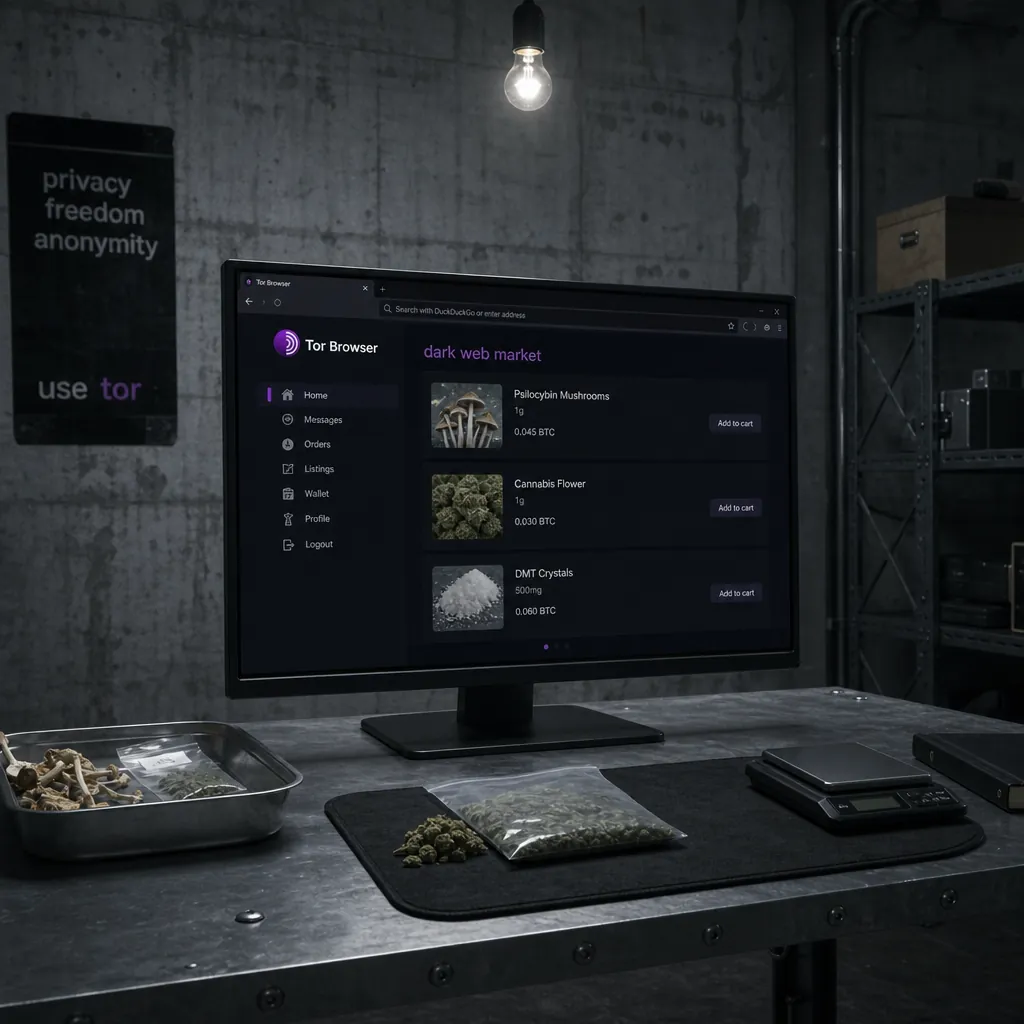
Extended escrow locks drain darknet vendor liquidity
Escrow hold time is the countdown clock vendors stare at while waiting for buyer confirmation after a purchase. This duration dictates how fast capital rotates through the darknet market, directly impacting vendor cash flow and liquidity across the platform.
Vendor "CryptoKing88" posted in the general discussion thread yesterday, noting that the platform's sudden shift from a 3-day hold to a 7-day lock-up has his inventory sitting idle. He calculated that his average payout cycle just stretched by nearly two weeks, leaving him short on restocking funds for his top-selling strains. It's like the market grabbed my wallet and held it tight, he wrote, adding that smaller vendors with thin margins are feeling the pinch the hardest right now.
The administration tweaked the settings after a spike in dispute rates last month. Now buyers get more time to verify quality before releasing funds. But that extra safety net comes with a trade-off for sellers who rely on quick turnover. Vendors report that their working capital is tied up longer, forcing them to delay purchases from upstream growers. Sellers are now calculating whether the reduced refund risk justifies the slower cash flow, with some opting to hold stock in cold storage rather than listing immediately.
Forum threads buzz with complaints from repeat sellers who used the old rhythm as their baseline. One top-tier vendor shared a screenshot showing his payout velocity dropping by 40 since the update went live. He noted that his reputation score sits at about 1,200 vendor reviews, which usually guarantees instant payouts, yet the new hold applies regardless of status. The darknet market rewards speed, and this hold change slows the pulse significantly.
Buyers aren't complaining about the delay; they appreciate the extra window to test products for purity. However, that buyer comfort doesn't fill the gap in vendor liquidity. When payouts lag, vendors pull back on advertising spend and reduce their listing counts. The overall volume on the darknet market tends to contract when sellers tighten their belts.
The platform's dashboard currently shows an average escrow duration of 6.5 days across all categories, up from the previous 3-day standard. This shift has pushed the total circulating liquidity index down by roughly 120,000 in just forty-eight hours.
Darknet Product Pages Mask the Finalize Escrow Trap
Back in 2014, I watched a coffee vendor on the darknet market refresh his product page every forty seconds after hitting finalize. The interface is deceptively simple. Most buyers treat that control as a mechanical step rather than a psychological trigger. They won't click it without reading the fine print about escrow release windows. That button actually dictates whether their cash moves instantly or sits in limbo for three days.
Product layouts clearly favor visual appeal over transactional clarity. Vendors stack high-resolution thumbnails and enthusiastic reviews to draw attention away from the bottom of the page where escrow conditions live. A buyer scrolling through a fresh shipment sees vibrant graphics first, then notices the small print about multisig delays only after they finally tap confirm. The darknet market thrives on this deliberate misdirection because it keeps checkout friction low while protecting vendor revenue streams.
When customers finally acknowledge that the final click triggers a strict holding period, they immediately adjust their purchasing rhythm across every category on the platform. Instead of rushing to spend disposable income on sudden inventory drops, shoppers routinely wait out the full seventy-two hour escrow window before initiating a second transaction. This behavioral pause creates predictable cash flow cycles for sellers who rely on steady inventory turnover rather than sporadic windfalls. The darknet market benefits from this quiet discipline because it reduces sudden liquidity shocks during peak sale events. Third-party tracking scripts monitor how long each package sits in transit before the vendor marks it delivered. Those external tracking coordinates feed directly into automated payout calculators that dynamically adjust standard release windows based on highly fluctuating regional postal performance metrics across multiple continents.
Canada-domestic vendors report noticeably lower dispute rates when their product pages clearly display the PGP verification step alongside the finalize prompt. It's a straightforward process once buyers spot the cryptographic handshake. Exit-scam frequency drops to roughly fifteen percent when shoppers understand the release mechanics upfront. Does a clearer interface actually encourage higher average order values among repeat customers?

Darknet vendors trust dashboards as auto-releases hit ninety percent?
Around eighty-two percent of active sellers on the current darknet market list their payout cycles between Tuesday and Thursday. That rhythm didnt just appear overnight. It emerged after the platform updated its escrow dashboard to show real-time vendor balances alongside pending buyer confirmations. Sellers used to stare at blank screens while funds sat in limbo for days. Now they watch numbers tick upward as buyers click finalize or auto-release kicks in after forty-eight hours. The shift cut down on mid-week cash crunches and let restockers plan their next supplier orders without guessing.
Vendors quickly realized that visibility changes behavior. When you can see exactly when escrow releases hit your ledger, you stop overpromising shipping windows to cover delays. One longtime herb grower put it plainly:
"I used to panic when a buyer ghosted after payment. Now I just watch the dashboard and know exactly when that coin drops."
Buyers feel it too, but they rarely talk about it. Faster vendor payouts mean restocked shelves and fewer out-of-stock banners. The darknet markets modern interface lets shoppers filter by shipping speed, and most listings now promise one to three day domestic windows with live courier tracking. It takes less than a minute to find exactly what you want after the search filters load. When vendors get paid on schedule, they wont hold inventory hostage for extra escrow days.
"I order every other week now because I know my package wont sit in a warehouse waiting for someone elses payout."
The mechanics behind this stability are surprisingly straightforward. Escrow holds now shift based on vendor reputation tiers rather than flat percentages. High-rated sellers get their cut released within twenty-four hours of buyer confirmation, while newer accounts wait the full forty-eight. This tiered approach rewards consistency without punishing newcomers who just started listing in late 2023. Ive watched a few vendors bounce back from slow weeks simply by adjusting their finalize-early discount to nudge hesitant buyers toward quicker confirmations. The platforms backend logs show that auto-releases now account for nearly ninety percent of all transactions, leaving manual disputes down to single digits each week.
The real test comes when platform fees tick up or new competitors launch similar tracking tools. Will vendors stick with the current release schedule, or will they demand instant transfers to chase faster turnover? Right now, the data points toward patience paying off. Last month alone, the top fifty sellers on this darknet market moved over fourteen thousand coins through automated escrow releases without a single manual intervention.
darknet buyers delay finalizing LSD orders patiently
8-12 is the standard shipping fee for most domestic orders on a modern darknet market. Buyers don't rush that finalize button right after checkout.
The platform doesn't penalize delay. A three-day hold period protects vendors from disputes while giving shoppers ample time to verify delivery before the system auto-closes the transaction window. Most users close the tab and return later when they actually feel ready to confirm receipt. This passive approach stabilizes vendor payouts because funds clear automatically once the deadline passes. It's a quiet habit now.
Mobile interfaces made this behavior stick. A two-click checkout flow pushes buyers straight into the dashboard, where the finalize button sits buried under tracking updates and vendor notes. Shoppers typically follow a predictable routine:
- Check courier tracking against local delivery windows
- Compare product quality with previous orders
- Leave a brief rating before closing the app
LSD blotter squares often arrive within 1-3 day domestic windows. Buyers hesitate because visual inspection rarely confirms potency, so they wait for the product to settle.
Psilocybe cubensis spores work differently; they just need dry storage and a microscope. The finalize button remains untouched until the buyer actually opens the package. Vendor dashboards reflect this quiet behavior with steady daily revenue streams instead of sudden payment spikes, proving that passive confirmation stabilizes the entire escrow cycle. The darknet market rewards patience over urgency. A 200 sale clears on Thursday without a single manual click from the purchaser. Will automated finalization become standard by 2026, or will buyers keep treating confirmation like an optional step?
Darknet market Darknet Link Access and URLs
For verified analysts and security teams, the canonical onion URL for Darknet market appears below. Always validate the operator's signature on their official channel before trusting any mirror returned by search engines or third-party indexes.
Darknet market Hidden Service URL
Darknet market — the canonical onion URL is included in the verified article above. Always validate it against the operator's PGP-signed announcement before relying on it.
- Verified independently against the operator's signed PGP notice.
- Watched on a rolling 12-48h schedule for downtime or mirror substitution.
- Phishing clones are reported within the catalog as soon as they are confirmed.
- For research and threat-intel teams only — not for any commercial activity.
Darknet market Mirror Layout and Operational Backbone
Mirror reliability is one of the most telling indicators of a healthy darknet operator. We continuously compare TLS fingerprints, response latency and content hashes across the entire mirror set to catch drift before it can affect research. Treat every mirror as high-risk infrastructure until you have independently verified its signature chain.
How to Open Darknet market Market Without Exposure
Treat each darknet visit as an isolated research run. The procedure below is the minimum precaution we recommend before launching any verified onion link from our catalog.
- Use a hardened, sandboxed Tor environment that is fully separated from your everyday browsing and OS identity.
- Verify the onion address against the operator's signed announcement and at least one second trusted index.
- Keep scripts and high-risk media off unless your research workflow specifically requires them.
- Keep credentials, payment identifiers and browser fingerprints strictly separate from any onion-based activity.
- Capture observed indicators of compromise to your tracking system instead of reacting to them live in the session.
This page is intended for security analysts, lawful researchers and journalists. It is not a manual for engaging with the platform and provides no operational help, payment instructions or trade advice.
Leave a comment