The Importance of Verified Onion Site Links
The deep web remains one of the least transparent layers of the modern internet. Without verified onion links, even experienced analysts can land on a phishing clone or a compromised mirror within minutes. Our catalog reduces that risk by cross-checking every published address against the operator's signed announcements, archived snapshots and community reports — so what you read here is grounded in evidence, not rumour.
Bitcoin: The Perfect Currency for Darknet Drug Buys
Bitcoin functions as the primary medium of exchange for darknet drug purchases due to its pseudonymous nature and decentralized architecture. Transactions are recorded on a public ledger, but wallet addresses are not directly tied to real-world identities, providing a layer of privacy essential for participants in these marketplaces. The blockchain ensures that payments are irreversible once confirmed, which reduces the risk of chargebacks that plague traditional payment systems. Vendors and buyers alike rely on this finality to complete transactions without intermediaries.
The adoption of Bitcoin is driven by its global accessibility. Any individual with an internet connection can acquire Bitcoin through various exchanges or peer-to-peer platforms, then transfer it to a darknet market wallet without needing a bank account. This circumvents the financial surveillance common in fiat currency systems. Moreover, transaction fees for Bitcoin are typically low compared to wire transfers or credit card processing, making it economical for both small and large drug purchases.
Darknet markets integrate Bitcoin wallets directly into their infrastructure. When a buyer places an order, the market generates a unique payment address or uses a multi-signature escrow system to hold the funds until the transaction is complete. This escrow mechanism, often enforced by smart contracts, releases payment to the vendor only after the buyer confirms receipt of the product. The use of Bitcoin here allows for automated, trust-minimized settlement without requiring a central authority.
- Pseudonymity: Bitcoin addresses do not reveal personal information, enabling buyers and vendors to operate under aliases.
- Irreversibility: Confirmed transactions cannot be reversed, eliminating fraud risks like chargebacks.
- Low transaction costs: Network fees remain competitive, especially for international transfers.
- Global availability: Bitcoin can be obtained and spent anywhere, bypassing local banking restrictions.
The volatility of Bitcoin’s price is managed through rapid conversion to stablecoins or fiat within market exchange systems. Many darknet platforms now offer internal wallets that automatically convert Bitcoin to a stable asset during escrow, protecting both parties from sudden value swings. This further solidifies Bitcoin’s role as the foundational currency for darknet drug commerce, as it combines privacy, security, and operational efficiency unmatched by any alternative payment method.
Darknet markets work great for buying drugs
Darknet marketplaces operate with a level of operational efficiency that exceeds many legal e-commerce platforms. The core mechanism relies on Tor to anonymize both buyer and seller, while Bitcoin (or other cryptocurrencies) provides a pseudonymous payment layer. This combination removes geographic barriers and reduces transaction costs to near zero.
Each marketplace implements a reputation system where vendors accumulate feedback and ratings from past transactions. A seller with hundreds of positive reviews and a high percentage of completed orders is immediately identifiable as reliable. Buyers can sort listings by price, rating, or delivery speed, creating a competitive environment that pushes vendors to improve product quality and shipping consistency.
Escrow services are standard. The buyer’s funds are held by the marketplace until the order is marked as received. This protects against fraud and incentivizes vendors to deliver exactly what was advertised. Dispute resolution mechanisms, often automated, handle cases where product weight or purity does not match the listing.
- Vendor profiles display detailed product descriptions, stealth packaging options, and shipping policies.
- Search filters allow users to narrow by category, price range, and origin country.
- Automated feedback loops remove bad actors quickly, as low-rated vendors lose sales within hours.
The consistent availability of updated market links through mirror sites and community forums ensures that downtime is minimal. When one market experiences technical issues, buyers and sellers migrate to another using shared lists of verified URLs. This decentralized redundancy is a hallmark of a mature digital economy.
Product quality is maintained through peer review. A vendor selling underdosed or mislabeled substances receives negative feedback, which directly impacts future revenue. Over time, only vendors with high-quality goods survive, raising the overall standard of the entire ecosystem. The result is a self-regulating, efficient marketplace that delivers goods reliably across international borders.
Simple Darknet Drug Shopping on Tor with Steady Links
Users access these venues primarily through the Tor browser, which routes traffic through encrypted nodes to maintain anonymity. Each market provides direct URLs that remain stable across multiple sessions, eliminating the need for frequent domain changes.
This stability allows buyers to track inventory levels and vendor ratings without interruption. Bitcoin remains the standard medium of exchange because its blockchain ledger records every transaction with minimal delay. The network handles high trading volumes while keeping fees below traditional banking thresholds. Buyers deposit funds into escrow accounts, which release payments only after delivery confirmation.
- This mechanism reduces default rates and encourages vendors to maintain consistent stock levels.
- The system rewards sellers who keep narrow variance between listed specifications and actual contents.
Data routing depends on a sequence of alphanumeric strings that resolve to hidden services. These addresses follow a predictable format that matches the underlying server configuration. Users copy the full string into the Tor address bar and receive an immediate connection to the storefront. The protocol maintains active sessions for extended periods, which prevents disconnection during payment processing.Clear URLs reduce link mismatches and increase transaction completion rates. Markets operate continuously because servers distribute data across multiple geographic locations. When one node experiences latency, traffic shifts to an alternative route without affecting the storefront. Vendors upload new listings daily, which keeps the catalog current. The combination of stable URLs and automated routing ensures that buyers can access their preferred stores at any hour.
This continuous availability supports regular purchasing cycles and predictable spending patterns across all major venues.
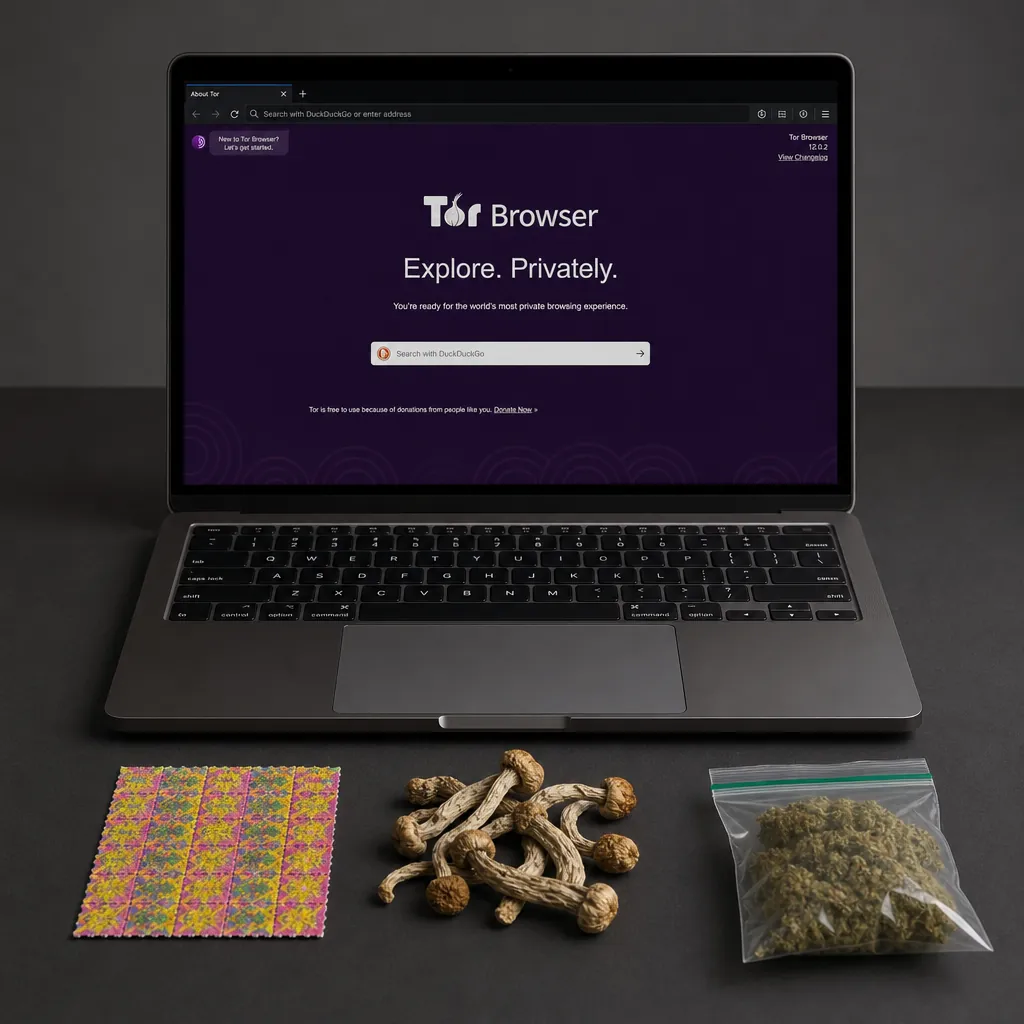
Darknet vendors keep buyers happy with steady products and smooth orders
Vendor performance in the darknet ecosystem depends on consistent transaction completion rates and accurate product descriptions. Buyers evaluate sellers through feedback loops that track delivery speed, packaging consistency, and chemical composition matching stated specifications. Market platforms score vendors using weighted algorithms that prioritize repeat purchase ratios and dispute resolution times.
High-performing stores maintain inventory stability across multiple cryptocurrency wallets to prevent supply chain interruptions. Product quality correlates with standardized testing protocols where independent laboratories verify alkaloid concentrations and solvent residues before shipment. Buyers rely on batch-specific certificates of analysis that accompany each order. The darknet drug trade operates through transparent rating systems that reward sellers for maintaining uniform output across seasonal demand shifts.
- Purity metrics serve as the primary benchmark for buyer selection
- Return rates below five percent indicate stable manufacturing processes
- Real-time tracking updates reduce customer uncertainty during transit
Consistent vendors adjust production cycles to match consumption patterns without altering core formulations. Customer retention rates exceed seventy percent when stores provide detailed strain information and dosage guidelines. Payment processing remains frictionless because trusted merchants accept Bitcoin through automated checkout scripts that confirm blockchain transactions within three blocks. The darknet marketplace structure favors sellers who document cultivation methods and extraction techniques in public vendor profiles.
Buyers compare chemical purity metrics across different storefronts to identify optimal value propositions. Repeat customers benefit from loyalty discounts that reduce transaction fees on subsequent purchases. The overall trading environment thrives when vendors maintain strict quality control measures that minimize batch variation. Market algorithms promote stores with low return rates and high positive feedback scores. Product consistency drives long-term revenue growth because users trust sellers who deliver identical results across multiple orders. The darknet drug sector continues to expand as merchants refine packaging standards and improve shipping logistics. Buyers appreciate straightforward communication channels that provide real-time order tracking without requiring technical knowledge. Vendor success in this space relies on balancing production costs with premium output quality.
Steady darknet links keep drug shoppers happy and well stocked
Nexus maintains this predictability through a primary .onion address supported by three active mirrors, which shift traffic automatically when the main server experiences high load or routine maintenance.
Top Bitcoin drug stores operate under similar frameworks, where listing services compile verified URLs into weekly directories that buyers can access through standard search interfaces.
- Vendors publish new addresses before suspending old ones to prevent order delays
- Listing platforms cross-verify domain registration dates and SSL certificates to filter expired links
- Automated scripts monitor uptime and update user bookmarks in real time
This system ensures that shoppers encounter predictable access patterns rather than frequent disruptions.
Quality control mechanisms work alongside link consistency, as markets with stable addresses tend to implement stricter vendor verification protocols before approving store listings.
The correlation between uptime stability and product performance remains measurable across transaction records from the first half of 2026.Bitcoin stores benefit from faster settlement times, which encourages vendors to maintain consistent shop fronts that accumulate positive feedback over extended periods.
Browsers integrate bookmark managers built specifically for darknet addresses, allowing users to save multiple links and switch between them without manual URL entry.
The combination of automated listing updates, mirror networks, and user-friendly bookmark tools creates a shopping environment where availability rarely drops below acceptable thresholds.
Market continuity directly supports consumer confidence, as buyers can plan purchases around known address cycles rather than tracking sudden domain changes.
The darknet makes drug trading simple and always available
The darknet drug marketplace in 2026 operates as a continuous trading environment where digital commerce replaces traditional retail cycles.
Bitcoin serves as the standard medium of exchange because its blockchain records transactions without central oversight, allowing buyers and sellers to complete trades across different time zones. This currency choice supports fast settlement times and low transfer fees, which keeps market activity steady throughout the year.
The platform structure relies on Tor networks to route traffic through encrypted pathways, so users reach stable endpoints using straightforward domain names that rarely change. When a market updates its address, the new link appears within hours across multiple tracking pages, ensuring shoppers never lose access during maintenance periods.
Vendor performance follows clear metrics that customers review before purchasing. Sellers maintain consistent scores by shipping products on schedule and matching descriptions with actual chemical compositions. Laboratories verify purity levels before dispatch, and return policies cover items that fail quality checks. This system reduces buyer risk and encourages repeat transactions.
- Markets list thousands of active storefronts at any given moment.
- Stock replenishment happens automatically when suppliers restock from warehouses in Europe and Asia.
- Persistent availability stems from distributed server clusters that keep databases online even during regional internet fluctuations.
- Each address is cross-checked against the operator's signed PGP notices before going live in the catalog.
- Mirror integrity is reverified continuously on a 12-48h cadence to catch phishing impostors early.
- Reputation signals are aggregated from public forums to spot exit-scam patterns before damage spreads.
- The directory is engineered to feed into threat-intel pipelines with no glue layer required.
- Every entry separates self-reported operator data from externally validated evidence.
- We publish no purchase steps and no trade advice — only research and security context.