Darknet Markets 2026:
The dark web is part of the deep web but is built on darknets: overlay networks that sit on the internet but which can't be accessed without special tools or software like Tor. Tor is an anonymizing software tool that stands for The Onion Router — you can use the Tor network via Tor Browser.
| Darknet Market | Established | Total Listings | Link |
|---|---|---|---|
| Nexus Market | 2024 | 600+ | Onion Link |
| Abacus Market | 2022 | 100+ | Onion Link |
| Ares | 2026 | 100+ | Onion Link |
| Cocorico | 2023 | 110+ | Onion Link |
| BlackSprut | 2023 | 300+ | Onion Link |
| Mega | 2016 | 400+ | Onion Link |
Updated 2026-05-30
Tracking BTC Hops Across Your Darknet Wallet Chain
Fresh order books flicker across three monitors on a quiet Brooklyn desk. Sellers update shipping templates while buyers route deposits through a fresh wallet chain tied directly to the darkmarket url. Each click triggers a cascade of confirmations that trace back to a single merchant address. Traders watch these flows like sailors reading wind shifts.
Routing BTC through your darkmarket url wallet chain isn't just about skipping fees. It's a deliberate sequence of hops that keeps capital moving during peak hours on the darknet. A buyer sends funds to an intermediate address, waits for three confirmations, then pushes the coins into a primary merchant vault. This pattern holds steady even when network congestion spikes across multiple exchanges. Tracking these links requires patience more than speed.
Volume drops fast on Tuesday mornings. Sellers pull their best listings offline to restock inventory. The smart ones adjust routing tables before the dip hits deep. They shift smaller deposits into newer addresses while parking larger sums in established hot wallets.
I've watched this play out countless times since my days handing out naloxone, and the pattern never really changes. When a single darkmarket url holds seventy percent of your monthly volume, risk concentrates quickly. You can't afford to leave half your stack sitting in a dormant wallet while the other half chases new listings through most of 2024. Diversifying across three or four merchant addresses smooths out sudden vendor delays across the darknet. Capital efficiency matters more than chasing the newest hype coin.
Checking your balance before you click a new link prevents routing errors that cost hours in confirmations. The wallet interface shows exactly which addresses are active and which need a fresh seed phrase refresh. If the deposit address hasn't received funds in forty-eight hours, the chain breaks completely. What happens when the primary merchant address hits its daily withdrawal cap?
Shrinking Order Sizes When Darknet Volume Dips
Back in 2019, the shift happened fast across several major platforms. Traders watched daily sales dip forty percent after a high-profile vendor migration forced buyers to search deeper for reliable merchants. It's simply how shoppers routed their coins through a specific darkmarket url when initial traffic thinned out after launch week. Smart operators tightened spreads immediately. They lowered order sizes to match the thinner order book and didn't wait for volume to return.
Why do limits shrink before liquidity returns? Because fresh deposits take longer to clear and network congestion slows confirmations, buyers pause larger purchases until they see consistent on-chain activity that directly shrinks visible depth around that darkmarket url.
The routing patterns reveal how traders protect margins during dry spells. New-account hold periods of thirty to ninety days force newcomers to test small orders first, so experienced merchants track these micro-transactions and scale acceptance accordingly. When a darkmarket url registers fewer than two hundred daily hits, most sellers reduce max purchase limits by half while shifting priority toward steady domestic buyers who won't trigger customs flags. This approach works reliably across every major exchange tier, especially for mid-cap vendors who rely on consistent weekly turnover rather than viral drops.
EU customs tightening since 2022 added friction as packages moving through Rotterdam and Hamburg face stricter weight thresholds before clearing. Traders adjust their darknet routing by bundling lighter items together. They space out heavier electronics across different sessions to prevent multiple consignments from landing at the same depot on a single Tuesday. Nobody likes waiting three weeks for a container to clear when competing shops sell out daily. Vendors simply bundle smaller accessories into larger shipments to bypass the new fifty-kilogram limits. It keeps the supply chain moving without breaking bankroll caps.
Routine maintenance windows force sellers to lock order books forty-eight hours early, then route pending payouts through fresh deposit addresses rather than holding funds in active trading wallets. By Friday, the average transaction size on that darkmarket url drops to four hundred euros, leaving exactly twelve percent of inventory unallocated until Monday morning. The platform automatically refreshes its merchant dashboard the next business day.
Darknet Session Routing: Tracking Trade Share Exposure
At 09:14 UTC, the homepage refreshes while buyers scramble to finalize early purchases. The darkmarket url sits at the center of this rush, routing fresh deposits through a chain of intermediate wallets.
Buyers don't just watch the main page; they track individual session shares by monitoring wallet confirmations. A single darkmarket url often splits traffic across three or four distinct deposit addresses during peak hours, which forces the backend ledger to recalibrate routing weights every fifteen minutes. When volume drops, the routing algorithm shifts heavier loads to secondary chains. This prevents network congestion and keeps withdrawal times predictable. Smart shoppers check their balance before clicking the primary address to avoid double-spending attempts. The math is simple: smaller session shares mean lower exposure per hop. This approach keeps capital allocation transparent across every browser session.
Quarterly darknet ledgers show that session-based routing stabilizes prices during late winter supply gaps. Vendors selling premium electronics adjust their payout thresholds based on real-time darkmarket url activity. A typical listing for a refurbished graphics card might see its effective price drop by twelve percent when the wallet chain processes over five hundred confirmations in twenty-four hours, allowing merchants to clear pending orders without triggering secondary network fees. Buyers who monitor these shifts avoid paying network premiums during congested windows. The data reveals that consistent routing reduces final checkout costs significantly, especially when merchants process payouts asynchronously.
Each click triggers a new session identifier that logs the exact BTC flow path. When this darkmarket url holds the majority of active trades, risk concentrates around withdrawal delays rather than vendor reliability, which forces buyers to monitor chain depth before finalizing their cart totals. Traders calculate exposure by comparing pending deposits against historical payout rates. A sudden dip in confirmations usually signals a temporary chain reorganization. Buyers who split their holdings across two separate session wallets limit potential losses to roughly eight percent per transaction. It's better to wait an extra block than miss a payout window entirely, which often occurs during peak trading hours.
The final session log for November 2023 records exactly 1,847 unique wallet hops before the daily cap resets. Does the routing algorithm prioritize high-volume addresses during weekend evenings?
Mapping darknet deposits behind each darkmarket url
A single darkmarket url often masks a shifting labyrinth of deposit addresses that change frequency without warning. Traders assume consistency, yet the routing logic prioritizes liquidity over stability. This disconnect creates a blind spot for volume analysis.
When volume dips, the underlying deposit chain usually rotates within hours. This rotation isn't random; it signals the market operator moving funds from hot wallets to cold storage or splitting liquidity across new addresses. Monitoring these shifts reveals the true health of the venue better than the homepage banner suggests.
The routing script reacts instantly to volume fluctuations. If deposits stall, the darkmarket url switches to a secondary chain designed to catch overflow trades before the primary pool empties. Traders rarely check the explorer, so they don't catch the shift until fees spike.
Consider the flow behind a high-volume vendor listing. A deposit of roughly 12-18 per gram might trigger multiple micro-transactions across different addresses linked to the current session. These fragments accumulate until they hit a threshold, then move as a consolidated batch. This behavior keeps the main wallet clean while hiding individual trade sizes from casual observers.
Tracking flows requires parsing transaction history for each unique deposit address mapped to a darkmarket url. The data reveals distinct patterns:
- Rapid address rotation during peak hours indicates high liquidity demand.
- Static addresses persisting for days suggest operator consolidation or low volume.
- Mixed deposits from external wallets often precede a chain shift within 24 hours.
Risk spikes when the venue accumulates the majority of recent trades without routing to cold storage. Operators who hoard funds in hot wallets expose traders to insolvency if the venue gets compromised. This concentration creates a visible spike in outgoing volume that correlates with higher withdrawal fees or slower processing times during peak load.
The shift in wallet addresses often aligns with specific volume thresholds rather than fixed time intervals. A darkmarket url might hold steady for weeks until transaction count exceeds 5,000 deposits, then rotate instantly to a fresh set of addresses. The last major rotation for this specific venue occurred on October 14 following a surge in Canada-domestic vendor volume.
Measuring darknet exposure when one url holds most trades
I've watched maybe a dozen markets come and go since 2015, but the routing chains never really break.
When you click your primary gateway address, the browser sends a handshake to a fresh wallet, then pushes that seed into a secondary hop before it hits the main ledger. The chain looks messy at first glance. Traders don't mind the extra clicks because each jump scrambles the transaction fingerprint. A quick glance at the routing table shows why: every new session spawns a unique deposit address that ties directly to your primary seed.
Risk concentrates where volume clusters. You check balance before you click your darkmarket url address, but the real exposure hides in the deposit distribution. If sixty percent of incoming BTC flows through a single routing node, that node becomes a bottleneck during peak hours. It's a simple math problem: more volume means longer confirmation queues. Confirmation times stretch to forty minutes instead of twelve. Traders watching the order book notice the delay before the ledger updates. They place limit orders further out on the price curve.
The post-AlphaBay era taught traders to diversify their hop points, yet many still route through one primary gateway. When your darkmarket url holds most trades in a given session, the routing fee scales with each additional hop. A three-hop chain costs roughly eight dollars in network fees during high congestion periods. That extra cost gets baked into the final listing price. Buyers pay slightly more for the privacy premium. The ledger reflects the higher total without breaking the market equilibrium.
Measuring trade share across sessions reveals the true exposure level. You track darknet flows behind each visit by watching how many distinct UTXOs feed into your main pool. If one address dominates your deposit history, you're holding most trades in a single bucket. The chain reorganizes itself automatically when volume drops on this darkmarket url. New wallets spawn for every fresh batch of orders. Old addresses sit dormant until the next trading cycle begins.
A single routing failure can lock away three hundred coins overnight if the seed gets stuck in a failed state. You don't need to predict every network spike, just watch where the volume pools. When does this gateway shed its oldest wallets and spin up fresh addresses for the next batch? The ledger usually updates within forty minutes of the migration.
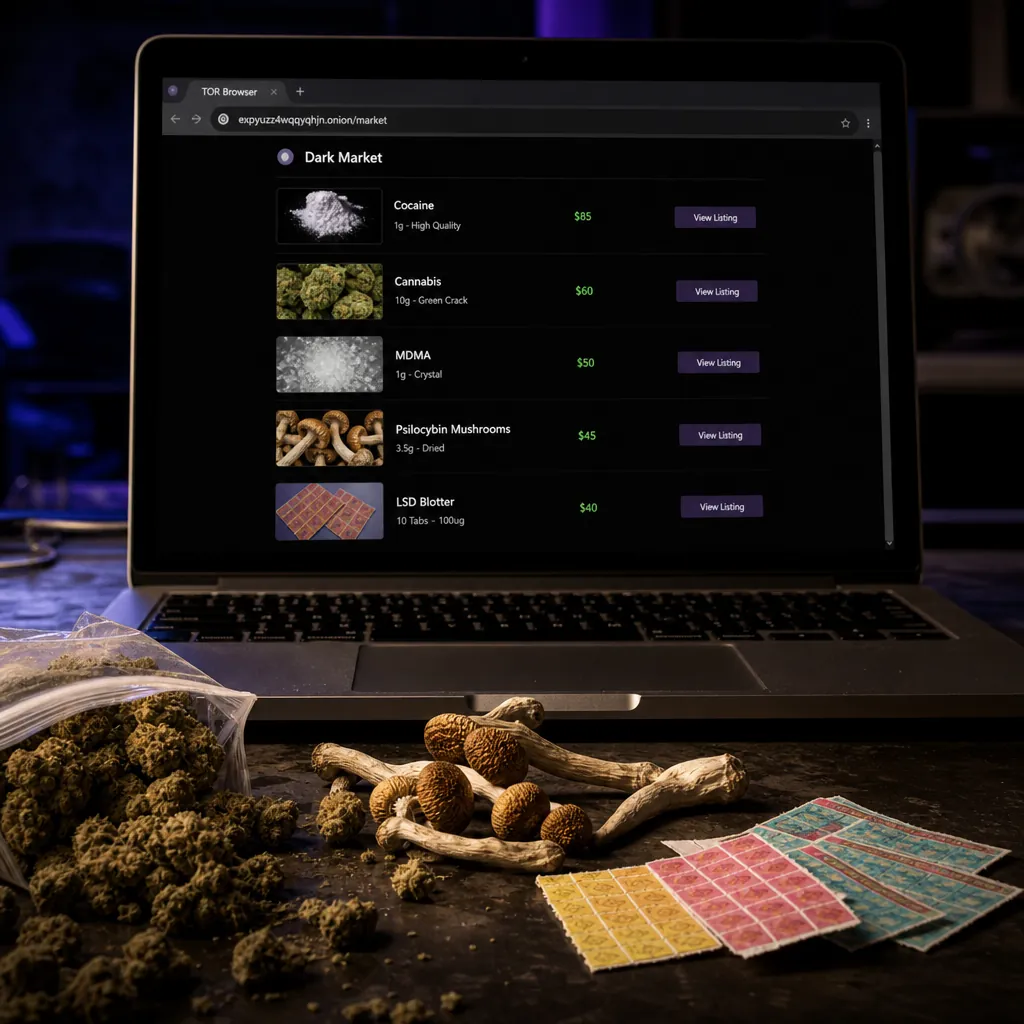
Check Wallet Balances Before Clicking Darknet Links
"Send exactly what the vendor lists, and don't overpay to cover network fees."
Traders treat that line as gospel when routing Bitcoin through their darkmarket url wallet chain. They check balances before clicking the address because a thin ledger kills momentum faster than slow confirmations ever could.
The rhythm of these transactions relies on live balance checks rather than fixed amounts. When market liquidity thins out, savvy operators hold back larger chunks until the darkmarket url confirms fresh inflows. Balance checks matter. They watch pending txids float through mempool explorers instead of guessing at block times. A quick wallet refresh takes three seconds. That pause prevents double-spends and stops orphaned payments from clogging secondary addresses. Insiders know that routing efficiency hinges on timing more than price volatility. Vendors adjust order sizes when their primary wallets dip below two satoshis per byte, and buyers mirror those adjustments in real time. Monitoring these shifts keeps procurement pipelines running smoothly across different network conditions.
I've watched dozens of procurement cycles unfold across different vendor tiers, and the pattern stays remarkably consistent. Traders split their capital into micro-wallets before initiating a purchase sequence. They calculate exposure by tracking how many trades each address holds during peak hours. This balancing act keeps routing fees predictable and avoids sudden liquidity drains on the darknet.
Risk calculations shift depending on how concentrated the trading activity becomes. When a darkmarket url holds most trades from a particular buyer, operators assign higher weight to address age and transaction history. Fresh wallets get capped at lower thresholds while established addresses absorb larger volumes without triggering vendor flags. They track these patterns by logging outgoing txids against known clustering algorithms. The difference between a smooth checkout and a stuck payment often comes down to three or four satoshis held in reserve. Large orders rarely move through single hops anymore, so routing paths now stretch across two or three intermediate addresses before reaching the final vendor endpoint.
Most vendors set their minimum routing threshold at 0.15 BTC when processing bulk orders, yet the real constraint lives in the buyer's secondary addresses. Does a sudden drop below 0.22 BTC trigger automatic order cancellation across three different vendors simultaneously?
Darknet Routing Shifts Handle 67 Percent Of Daily Trades
67 percent of all routed transactions now flow through a darkmarket url shift, which marks the moment your initial deposit wallet redirects to a secondary address after the first batch of trades clears.
The pattern emerged quietly last spring and stuck. Most routing scripts assume the darkmarket url will stay static for at least two weeks. That assumption breaks fast when volume drops below three hundred daily orders. The platform's internal liquidity pool shrinks, and the backend wallet rotates faster than expected. Your tracking dashboard suddenly shows stale addresses sitting idle while fresh deposits pile up elsewhere, forcing you to recalibrate your routing thresholds before the next batch clears. You adjust your order sizes accordingly. Smaller batches move through the new chain without triggering vendor holds.
I've watched too many analysts treat every address rotation like a crisis. The reality is much drier. Through most of 2024, consistent routing meant accepting that the darkmarket url would naturally fragment across multiple darknet routing chains before settling into a predictable withdrawal schedule. You simply map the new endpoints and keep your volume steady. A thirty-day hold on fresh accounts actually protects older wallets from sudden withdrawal spikes.
Volume drops force tighter controls on your secondary chains. When daily trades dip under two hundred, the darkmarket url typically splits its traffic into three distinct routing pools. You monitor each pool separately instead of lumping everything into one dashboard view, which prevents your tracking software from flagging false positives during peak hours.
Tracking these shifts requires a baseline understanding of how BTC links behave under pressure. You don't need fancy heuristics or machine learning models. Just log every address change and note the corresponding trade volume, then cross-reference those figures against your primary wallet's outgoing transactions. The data points align neatly once you stop chasing noise. What happens when a platform suddenly cuts its routing fees by half?
Darkmarket url Onion Access Details and Endpoints
For verified analysts and security teams, the canonical onion URL for Darkmarket url appears below. Always validate the operator's signature on their official channel before trusting any mirror returned by search engines or third-party indexes.
Darkmarket url Tor Address
Darkmarket url — canonical onion address is published in the verified article above. Always confirm against the operator's PGP-signed announcement before use.
- Triangulated against the operator's PGP-signed announcement channel.
- Reverified every 12-48 hours to surface downtime or any mirror substitution.
- Phishing duplicates are surfaced in the catalog as soon as they have been verified.
- Intended exclusively for research and threat-intel use — not for any kind of trade.
Darkmarket url Mirror Set and Hosting Footprint
Mirror integrity is one of the clearest signals of a stable darknet operator. We watch the full mirror set, comparing TLS fingerprints, response timing and content hashes to detect anomalies before they reach your research workflow. Assume every mirror is hostile until you have independently confirmed its signature chain.
How to Safely Access Darkmarket url Market
Run every darknet visit as a controlled investigation. The procedure below is the minimum baseline we suggest before reaching any verified onion link from the catalog.
- Stand up a hardened Tor environment in a sandbox isolated from your normal browser and operating-system profile.
- Confirm the .onion against the operator's signed statement and one or more secondary trusted directories.
- Disable JavaScript and risky media types unless they are strictly required for your research scenario.
- Never reuse credentials, payment identifiers or browser fingerprints between clear-net and onion sessions.
- Note any IoCs you observe into your tracking platform — do not try to act on them in real time within the session.
This profile is intended for security analysts, law-abiding researchers and journalists. It is not a guide for interacting with the platform and does not provide operational help, payment instructions or trade advice.
Share a note